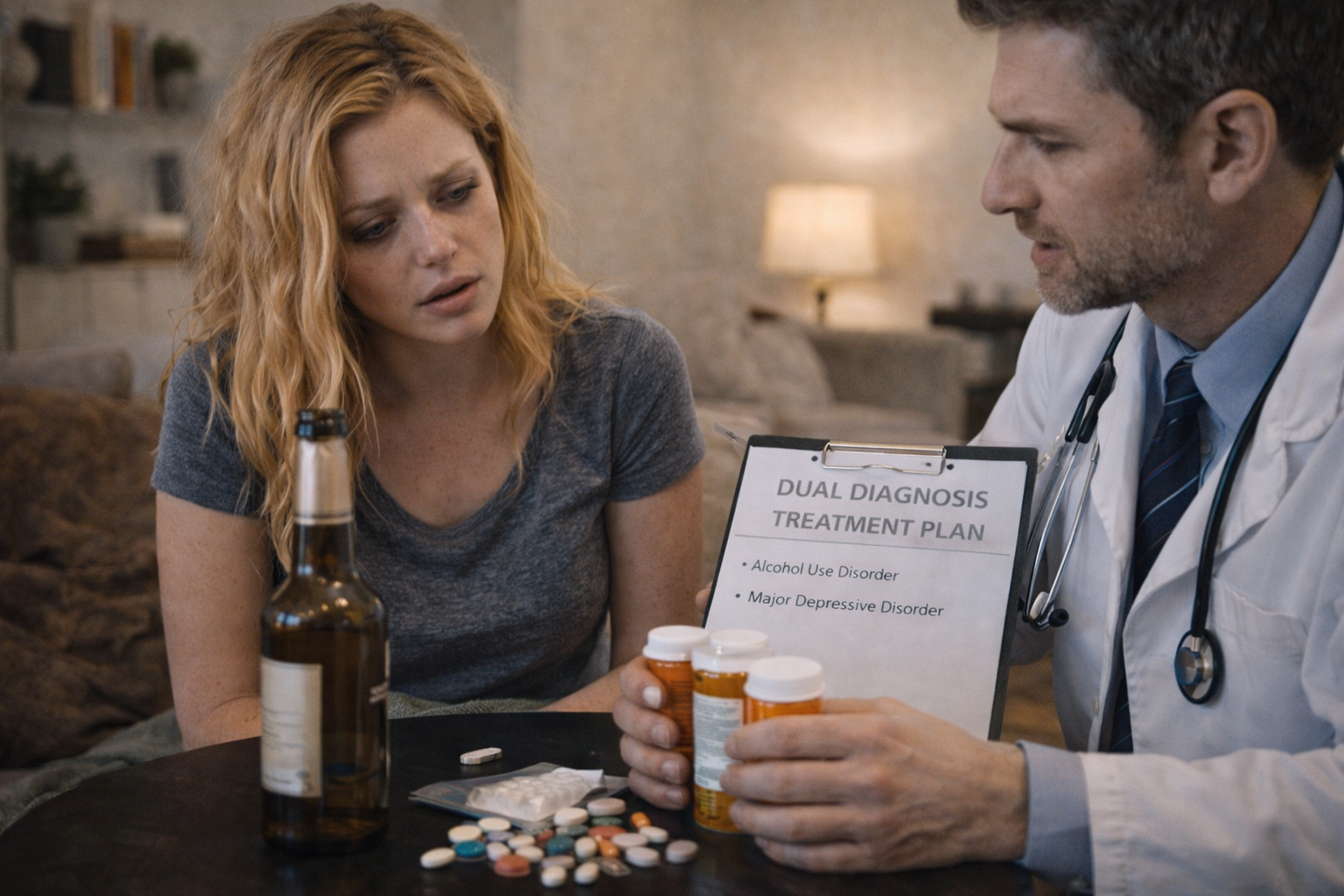
Addiction and mental health conditions are deeply connected, yet they are often misunderstood or treated separately. This disconnect can make recovery more difficult than it needs to be. Dual diagnosis, also known as co-occurring disorders, refers to the presence of both a substance use disorder and a mental health condition at the same time. Understanding how these conditions interact is essential for effective treatment and long term recovery. When both are addressed together through compassionate, individualized care, healing becomes more stable and sustainable.
Understanding Dual Diagnosis
Dual diagnosis is more common than many people realize. Individuals struggling with addiction often also experience conditions such as depression, anxiety, trauma related disorders, or bipolar disorder. In many cases, mental health symptoms come first, and substance use develops as a coping mechanism.
Why Addiction and Mental Health Are So Closely Linked
Substances can temporarily numb emotional pain or reduce anxiety, which may seem helpful at first. However, over time they often worsen mental health symptoms and create dependency. This cycle makes it difficult for individuals to stop using substances without addressing the underlying psychological challenges.
The Cycle of Co-Occurring Disorders
When addiction and mental health conditions feed into each other, they create a repeating cycle that can feel overwhelming.
How the Cycle Develops
- Mental health symptoms lead to emotional distress
- Substances are used for temporary relief
- Brain chemistry and emotional regulation become disrupted
- Symptoms of both conditions worsen over time
Without integrated treatment, this cycle often continues, making recovery more difficult and increasing the risk of relapse.
Why Dual Diagnosis Requires Integrated Treatment
Treating addiction alone without addressing mental health is not enough. Likewise, treating mental health without addressing substance use is incomplete. Dual diagnosis requires a combined approach that treats both conditions at the same time.
Benefits of Integrated Care
- Improved emotional stability
- Reduced risk of relapse
- Better understanding of triggers and coping strategies
- Stronger long term recovery outcomes
Integrated treatment ensures that individuals receive care for the full picture of their health, not just one part of it.
Treatment Options for Dual Diagnosis
Effective recovery programs offer multiple levels of care depending on each individual’s needs. These programs are designed to support both addiction recovery and mental health stabilization.
Inpatient Treatment for Intensive Support
Inpatient care provides a structured and supportive environment where individuals can focus entirely on healing. This level of care includes:
- 24 hour medical and emotional support
- Daily therapy for addiction and mental health
- Safe environment away from triggers
- Holistic support for mind and body healing
Inpatient treatment is often recommended for individuals experiencing severe symptoms or crisis situations.
Outpatient Treatment for Flexible Recovery
Outpatient programs allow individuals to receive treatment while continuing to live at home. This option provides flexibility while still offering consistent therapeutic support.
Outpatient care often includes:
- Individual counseling
- Group therapy sessions
- Mental health support services
- Relapse prevention planning
It is ideal for individuals who need ongoing care but also have stable home environments.
Holistic and Faith Based Healing Approaches
Recovery is not only clinical. It is also emotional, physical, and for many people, spiritual. Holistic care helps individuals rebuild balance in all areas of life.
Supporting Whole Person Healing
Holistic and faith based approaches may include:
- Mindfulness and stress reduction techniques
- Physical wellness activities such as exercise and nutrition support
- Emotional regulation and coping skill development
- Spiritual guidance or faith based support when desired
These approaches help individuals develop resilience and reconnect with meaning and purpose.
What Families Should Understand About Dual Diagnosis
Families often play a key role in recovery. Understanding dual diagnosis helps loved ones respond with compassion rather than frustration.
Supporting a Loved One Effectively
- Learn about both addiction and mental health conditions
- Encourage professional treatment instead of trying to manage it alone
- Set healthy boundaries to protect emotional wellbeing
- Participate in family therapy when possible
Support from family can significantly improve recovery outcomes when combined with professional care.
Conclusion: Healing Is Possible With the Right Support
Dual diagnosis can feel overwhelming, but it is treatable. When addiction and mental health conditions are addressed together through integrated, compassionate care, individuals have a real opportunity to heal and rebuild their lives. Recovery is not just about stopping substance use. It is about restoring emotional balance, mental clarity, and personal strength.
If you or someone you love is struggling with addiction and mental health challenges, reaching out for help is a powerful first step. With individualized treatment, inpatient and outpatient options, and holistic support, lasting recovery is possible. Healing begins when you choose to take that first step forward.