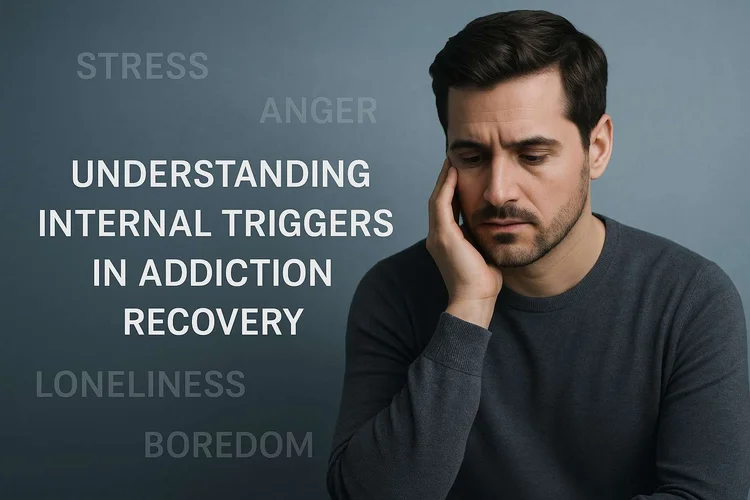
Recovery from addiction involves more than avoiding drugs or alcohol. It also means learning how to handle the emotions, situations, relationships, and everyday pressures that can create a desire to use substances again. These experiences are often called triggers. They can appear unexpectedly, even after someone has made meaningful progress. However, recognizing triggers and developing healthy ways to respond can reduce relapse risk and make recovery more stable. With the right support, individuals can strengthen their mental health, build confidence, and develop practical skills for managing challenging moments.
Understanding Addiction Triggers and Their Impact on Recovery
A trigger is an experience, feeling, thought, person, or situation that brings back the urge to use drugs or alcohol. Triggers vary from person to person. Something that creates difficulty for one individual may have little effect on someone else.
Understanding personal triggers is an important part of addiction recovery because it helps people recognize situations that may place their progress at risk.
Common Emotional Triggers
Emotional triggers can be especially difficult because they are sometimes connected to experiences that have not been fully addressed. Common examples include:
- Anxiety, depression, and persistent sadness.
- Anger, frustration, or feelings of rejection.
- Loneliness and social isolation.
- Grief, disappointment, or unresolved emotional pain.
- Stress related to work, finances, or family responsibilities.
- Shame, guilt, and low self confidence.
For some people, substance use previously served as a way to escape uncomfortable emotions. When those feelings return during recovery, the familiar urge to use may also appear. Learning healthier emotional responses can help break this pattern.
Environmental and Social Triggers
Triggers can also come from a person’s surroundings. Visiting places associated with past substance use, spending time with people who continue to use drugs or alcohol, or attending events where substances are readily available may increase the risk of relapse.
Other environmental triggers include relationship conflict, unstructured free time, exposure to substance related reminders, and returning to routines connected with previous use.
Recognizing these influences makes it easier to plan ahead and establish boundaries that protect recovery.
Practical Strategies for Managing Triggers
Avoiding every difficult situation is not always possible. Work responsibilities, family relationships, unexpected stress, and everyday interactions can create challenges. The goal is to develop reliable strategies that help individuals respond safely rather than automatically returning to old habits.
1. Identify Personal Triggers
The first step is understanding what tends to create cravings or emotional distress. Keeping a recovery journal can help identify patterns over time.
After experiencing an urge to use, consider writing down:
- What happened immediately before the craving?
- Where were you, and who was present?
- What emotions were you experiencing?
- What thoughts or memories appeared?
- How did you respond, and what helped?
Reviewing these notes can reveal connections between certain situations and substance use urges. A clearer understanding of personal triggers also helps individuals and their treatment providers develop more effective relapse prevention strategies.
2. Develop Healthy Ways to Manage Stress
Stress can make recovery more difficult, particularly when someone has limited experience managing pressure without substances. Developing healthy routines can improve emotional balance and provide alternatives during challenging moments.
Useful stress management activities include:
- Walking, stretching, or participating in appropriate physical activity.
- Practicing slow breathing or relaxation exercises.
- Spending time outdoors.
- Listening to music, reading, or engaging in creative activities.
- Maintaining consistent sleep and meal routines.
- Speaking with a trusted person about difficult feelings.
These activities do not eliminate every source of stress. However, they can help create healthier responses and make emotional challenges easier to manage.
3. Create a Plan for Cravings
Cravings can feel intense, but they do not have to determine what happens next. Having a plan before an urge appears can make it easier to respond thoughtfully.
A practical craving management plan might include:
- Recognize the craving without judging yourself.
- Pause before making any decisions.
- Leave an environment that increases the urge to use.
- Contact a trusted support person or recovery professional.
- Use a coping strategy, such as walking, breathing exercises, or another healthy activity.
- Remind yourself of your reasons for pursuing recovery.
Some cravings become less intense when a person changes their surroundings and gives themselves time to respond. If urges are frequent, overwhelming, or difficult to manage, professional support can help identify additional treatment options.
4. Establish Healthy Boundaries
Relationships can have a significant influence on addiction recovery. Some people may unintentionally create pressure through certain behaviours, while others may continue participating in activities associated with substance use.
Setting boundaries helps protect personal wellbeing. This may involve limiting contact with individuals who encourage substance use, declining invitations to risky environments, or communicating clearly about what is and is not acceptable.
Healthy boundaries are not about rejecting everyone from the past. They are about making thoughtful decisions that support recovery and emotional stability.
Protecting Mental Health During Addiction Recovery
Mental health and substance use are closely connected. Anxiety, depression, trauma, and chronic stress can contribute to substance use, while continued drug or alcohol use can make existing emotional difficulties worse.
For this reason, relapse prevention should include attention to psychological wellbeing, not just the avoidance of substances.
Address Anxiety, Depression, and Emotional Distress
Unmanaged mental health symptoms can make cravings more difficult to handle. Someone experiencing persistent anxiety, for example, may feel tempted to return to substances that once seemed to provide temporary relief.
Professional mental health treatment can help individuals understand these patterns and develop healthier coping skills. Depending on their needs, treatment may include individual counseling, group therapy, psychiatric assessment, or other appropriate services.
When a mental health condition occurs alongside a substance use disorder, both concerns should be considered in the treatment plan. Addressing them together can help create a more consistent foundation for recovery.
Make Self Care Part of the Recovery Routine
Self care is not simply an occasional activity. It involves regular choices that support physical health, emotional balance, and daily stability.
A consistent routine may include adequate rest, balanced meals, physical activity, meaningful social connections, and time for relaxation. These habits can improve overall wellbeing and provide structure during recovery.
Some individuals also benefit from mindfulness, meditation, spiritual practices, or other activities that help them develop a stronger sense of purpose. These approaches can complement professional treatment when they fit a person’s preferences and needs.
How Professional Treatment Supports Relapse Prevention
Managing triggers independently can be challenging, especially when substance use has affected mental health, relationships, and daily responsibilities. Professional addiction treatment provides structured support and helps individuals develop skills for handling situations that may threaten recovery.
The appropriate level of care depends on the person’s substance use history, physical and mental health, living environment, and available support.
Inpatient Treatment for Structured Support
Inpatient treatment provides a structured setting where individuals can receive consistent care away from many of the pressures and environments associated with substance use.
Programs may include individual therapy, group counseling, recovery education, mental health support, and personalized treatment planning. This level of care may be appropriate for people who need a more supervised environment or whose circumstances make recovery at home especially difficult.
Medical assessment is also important when withdrawal or other health concerns may be present. Withdrawal from alcohol or benzodiazepines can be dangerous, so individuals who may be physically dependent should seek medical guidance rather than stopping abruptly without supervision.
Outpatient Treatment for Recovery in Everyday Life
Outpatient treatment allows individuals to receive professional support while continuing to live at home and manage appropriate daily responsibilities.
Depending on the program, services may include counseling, group sessions, relapse prevention education, and mental health care. Outpatient support can help people apply recovery skills to real situations, including workplace stress, family responsibilities, and social interactions.
A qualified professional can help determine whether inpatient or outpatient care is appropriate. The decision should reflect individual needs rather than assumptions about which option is better for everyone.
Individualized and Faith Based Approaches
Recovery is personal. People have different experiences, beliefs, emotional needs, and reasons for seeking treatment. An individualized approach takes these differences into account when developing a care plan.
Some individuals may find value in faith based support, spiritual reflection, or participation in a recovery community connected to their beliefs. Others may prefer mindfulness, creative activities, physical wellness practices, or different forms of personal development.
These approaches can complement appropriate clinical care. They should not replace necessary medical treatment, therapy, or professional mental health support.
Building a Support System That Strengthens Recovery
Recovery becomes more manageable when individuals have people they can turn to during difficult moments. A reliable support system can provide encouragement, accountability, and practical assistance when triggers arise.
Stay Connected With Supportive People
Isolation can increase emotional distress and make cravings harder to manage. Maintaining regular contact with trusted family members, friends, counselors, or recovery groups can help individuals feel supported.
It is important to choose relationships that respect recovery goals. Supportive people should encourage healthy decisions rather than minimize the seriousness of substance use or pressure someone to return to risky situations.
Recognize Warning Signs Before They Become a Crisis
Relapse does not always begin with substance use. Changes in mood, behaviour, routines, and relationships may indicate that someone is struggling.
Potential warning signs include:
- Withdrawing from friends, family, or recovery groups.
- Missing counseling appointments or support meetings.
- Experiencing increased anxiety, irritability, or depression.
- Romanticizing past substance use.
- Returning to environments associated with previous use.
- Neglecting sleep, meals, or other healthy routines.
- Hiding cravings or avoiding conversations about recovery.
Recognizing these changes early creates an opportunity to seek help before the situation becomes more serious. A lapse or setback should also be treated as a reason to reconnect with professional support, not as proof that recovery is impossible.
Creating a Long Term Relapse Prevention Plan
A relapse prevention plan provides direction when familiar triggers or unexpected challenges appear. It should be practical, personal, and flexible enough to change as recovery progresses.
An effective plan may include:
- A list of known emotional, social, and environmental triggers.
- Coping strategies for cravings and stressful situations.
- Contact information for trusted support people and treatment providers.
- Regular therapy or recovery appointments.
- Healthy daily routines and meaningful activities.
- Clear boundaries around people and environments that increase risk.
- Steps to take if cravings become difficult to manage.
Reviewing the plan regularly can help individuals recognize changing needs and adjust their strategies. Recovery is not always a straight path, and the support that works at one stage may need to change over time.
Conclusion: Take Practical Steps Toward Stronger Recovery
Managing triggers is an essential part of protecting mental health and preventing relapse. By identifying personal risk factors, developing healthy coping strategies, establishing supportive relationships, and seeking professional treatment when needed, individuals can become better prepared for the challenges of everyday life.
Most importantly, no one has to manage addiction recovery alone. Whether someone needs inpatient treatment, outpatient counseling, mental health care, or an individualized recovery plan, reaching out for professional guidance is a meaningful step forward.
If triggers, cravings, or emotional difficulties are making recovery feel uncertain, consider speaking with a qualified addiction treatment professional. With appropriate support and a plan that addresses both substance use and mental health, it is possible to build healthier routines, regain stability, and continue working toward a more fulfilling life.