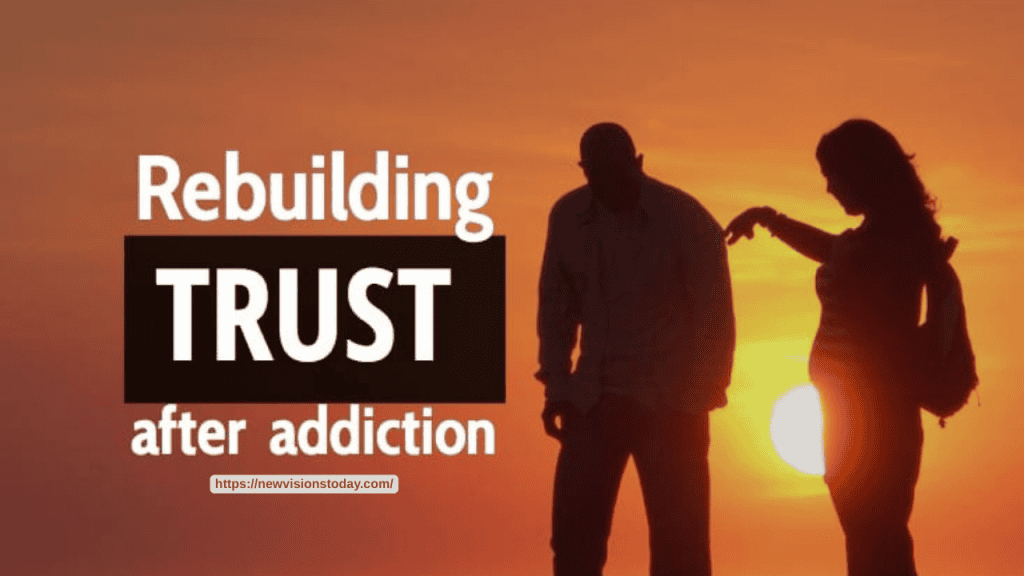
Addiction does not only affect the person using substances. It impacts everyone around them, often leaving families struggling with broken trust, emotional pain, and a sense of distance that can feel impossible to repair. Yet recovery is not only about sobriety. It is also about healing relationships, restoring trust, and creating a stronger foundation for the future. With the right support, families can move from crisis to connection and rediscover the bonds that addiction once strained.
Understanding the Impact of Addiction on Trust
Addiction often creates patterns of secrecy, dishonesty, and emotional withdrawal. Family members may feel betrayed when promises are broken or when substance use becomes more important than relationships. Spouses can feel abandoned, children may grow confused or anxious, and parents might struggle with guilt or blame. These wounds run deep and can make rebuilding trust feel daunting. However, understanding that these behaviors are symptoms of addiction, not a reflection of love, is the first step toward healing.
The Role of Family in Recovery
Recovery is most successful when it includes the family. Addiction treatment programs that emphasize family involvement recognize that healing is not just about the individual. When spouses, parents, and children are given tools to process their experiences, set boundaries, and communicate effectively, everyone has the chance to recover together. At New Visions, family-focused care is a cornerstone of treatment, offering a compassionate and structured way to mend relationships.
Why Family Participation Matters
- It strengthens accountability and encouragement during recovery.
- It helps loved ones understand addiction as a disease rather than a choice.
- It provides a safe space to voice emotions, concerns, and hopes.
- It rebuilds the foundation for long-term stability and connection.
Practical Steps to Rebuild Trust
Rebuilding trust does not happen overnight, but with consistency and compassion, progress is possible. Families can begin by:
Open and Honest Communication
Creating a safe environment where each person can express themselves without judgment is essential. This fosters understanding and prevents old patterns of secrecy.
Setting Healthy Boundaries
Boundaries protect both the recovering person and their loved ones. They create clarity about expectations and help everyone feel secure moving forward.
Seeking Professional Guidance
Therapies such as family counseling, cognitive behavioral therapy (CBT), and faith-based approaches can guide families through difficult conversations and encourage healthy dynamics.
Practicing Patience and Forgiveness
Trust is earned over time. Small, consistent actions—such as keeping promises and showing accountability—help rebuild confidence and restore closeness.
Holistic and Faith-Based Healing for Families
At New Visions, recovery is approached holistically, addressing the mind, body, and spirit. Families are encouraged to lean on both therapeutic tools and faith-based practices that strengthen resilience. This integrative model allows families to heal emotionally, mentally, and spiritually while learning how to support each other in lasting recovery.
Moving From Crisis to Connection
Addiction may create distance, but recovery offers the opportunity to rebuild. Families who commit to open communication, healthy boundaries, and guided support can transform pain into resilience and broken trust into deeper connection. At New Visions, the journey is not walked alone. Compassionate, individualized care ensures that both individuals and their loved ones have the tools to heal together.
If your family has been impacted by addiction, know that recovery is possible and connection can be restored. Reach out today to begin the process of healing and rebuilding trust.