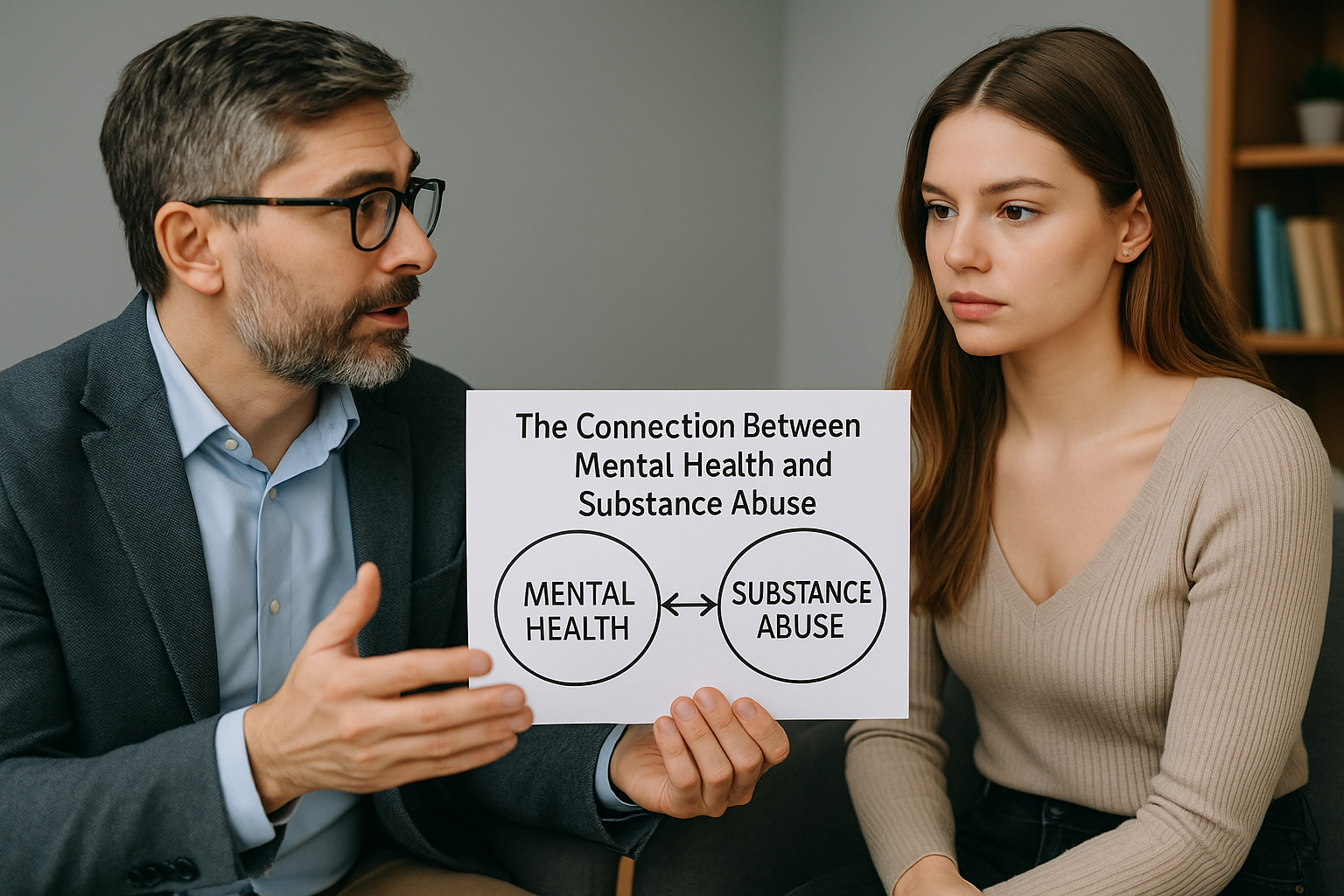
Addiction is rarely an isolated issue. Behind substance use, there is often a deeper story involving emotional pain, chronic stress, trauma, or an untreated mental health condition. This is one of the most important realities that modern treatment centers recognize. Lasting recovery is not simply about stopping alcohol or drug use. It is about understanding the whole person and providing care that addresses both addiction and mental health together. When individuals receive comprehensive, personalized treatment, they have a greater opportunity to build healthier lives and achieve long term recovery.
Why Addiction and Mental Health Are Closely Connected
Mental health and addiction influence one another in many ways. Some individuals begin using substances to cope with overwhelming emotions or psychological distress. Others develop anxiety, depression, or mood changes after prolonged substance use affects brain function and emotional regulation.
Either way, these conditions often become interconnected, making recovery more challenging when only one issue is addressed.
Understanding Co-Occurring Disorders
When someone experiences both a substance use disorder and a mental health condition, they are living with what professionals call a co-occurring disorder.
Common examples include:
- Alcohol addiction and depression
- Opioid addiction and anxiety disorders
- Stimulant addiction and trauma related conditions
- Prescription drug misuse and mood disorders
Treatment centers understand that both conditions should be evaluated and treated together. This integrated approach helps individuals develop healthier coping skills while addressing the underlying causes of substance use.
Mental Health Challenges Can Increase the Risk of Addiction
Mental health conditions affect how people think, feel, and respond to stress. Without healthy coping strategies or professional support, some individuals may turn to drugs or alcohol in an attempt to manage emotional discomfort.
Common Mental Health Conditions Seen in Recovery
Many people entering addiction treatment experience:
- Anxiety disorders
- Depression
- Post traumatic stress
- Bipolar disorder
- Chronic stress related conditions
Although substances may provide temporary relief, they often make these conditions more severe over time. This cycle can become difficult to break without comprehensive treatment.
Why Comprehensive Treatment Produces Better Outcomes
Modern addiction recovery focuses on treating the whole person instead of only addressing substance use. Treatment centers recognize that emotional healing, physical wellness, and mental health support all contribute to successful recovery.
Benefits of Integrated Care
Comprehensive treatment can help individuals:
- Better understand emotional triggers
- Develop healthy coping skills
- Improve emotional regulation
- Build stronger relapse prevention strategies
- Increase confidence in daily life
This balanced approach creates a stronger foundation for lasting recovery.
Understanding Inpatient and Outpatient Treatment
Treatment centers offer different levels of care because every recovery journey is unique.
Inpatient Treatment
Inpatient treatment provides a structured environment where individuals can dedicate their full attention to healing.
This level of care often includes:
- Twenty four hour professional support
- Individual counseling
- Group therapy
- Mental health services
- Recovery education
- Holistic wellness activities
Inpatient care is especially valuable for individuals experiencing severe addiction or complex mental health challenges.
Outpatient Treatment
Outpatient treatment offers continued professional care while allowing individuals to remain at home.
Services commonly include:
- Individual therapy
- Group counseling
- Mental health treatment
- Relapse prevention planning
- Ongoing recovery support
Outpatient programs help individuals practice recovery skills while maintaining work, school, or family responsibilities.
The Importance of Holistic Healing
Successful recovery extends beyond therapy sessions. Holistic care recognizes that physical health, emotional wellbeing, and spiritual wellness all contribute to lasting change.
Whole Person Recovery
Holistic treatment may include:
- Mindfulness practices
- Physical fitness and exercise
- Nutritional support
- Stress management techniques
- Creative therapeutic activities
- Faith based guidance for those who desire spiritual support
When combined with clinical treatment, these approaches help individuals develop healthier lifestyles that support long term recovery.
Individualized Care Makes Recovery More Effective
No two people experience addiction in exactly the same way. Personal history, mental health needs, family relationships, and recovery goals all influence the treatment process.
Creating a Personalized Treatment Plan
Individualized care allows treatment professionals to design recovery plans based on each person’s unique circumstances. Personalized treatment may include specialized therapies, family involvement, holistic services, and continuing care planning that evolves as recovery progresses.
This flexibility helps individuals remain engaged in treatment while addressing the challenges that matter most to them.
Families Play an Important Role
Recovery is often stronger when families become part of the healing process. Education and family counseling help loved ones understand addiction, improve communication, and develop healthier relationships.
Families can support recovery by:
- Learning about addiction and mental health
- Encouraging professional treatment
- Participating in family therapy
- Maintaining healthy boundaries
- Offering patience and encouragement throughout recovery
Supportive family involvement can improve treatment outcomes while strengthening relationships over time.
Conclusion
Understanding the connection between addiction and mental health changes the way recovery is approached. Treatment centers know that meaningful healing requires more than addressing substance use alone. It requires compassionate care that supports emotional health, physical wellness, and personal growth through every stage of recovery.
If you or someone you love is struggling with addiction and mental health challenges, professional help can provide the guidance needed to move forward with confidence. Individualized treatment that combines inpatient or outpatient care with holistic and faith based support offers a comprehensive path toward lasting healing. Recovery is possible, and every journey begins with the decision to seek help and embrace the opportunity for a healthier future.