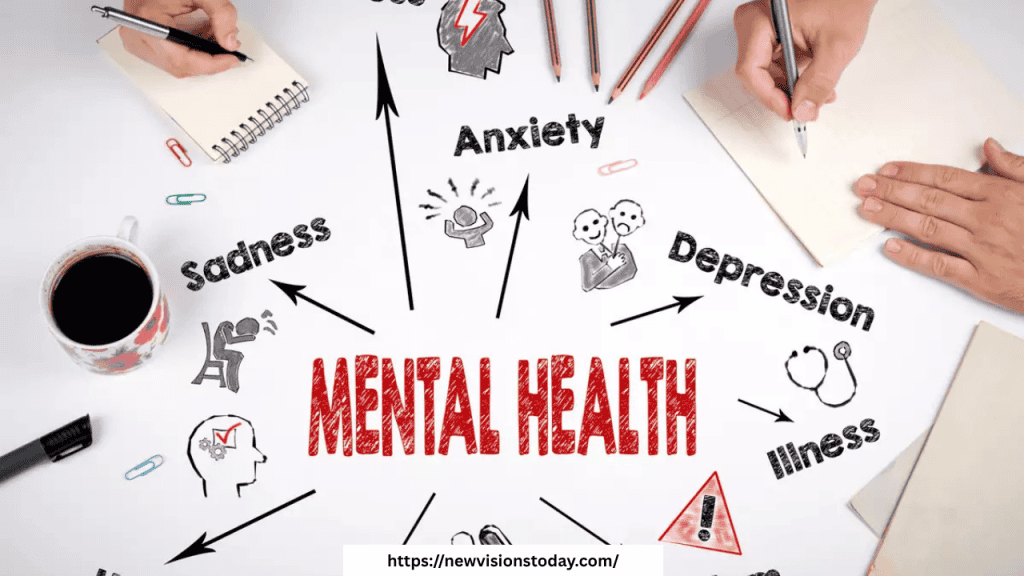
Addiction is often viewed as an individual struggle, but its effects ripple far beyond the person experiencing substance use. Families of those struggling with addiction face a wide range of emotional, psychological, and even physical challenges. From strained relationships to increased stress and mental health issues, the impact on family members can be profound. Understanding these effects and exploring healing strategies is essential to supporting both the individual in recovery and their loved ones.
Emotional and Psychological Toll on Families
When a family member is dealing with addiction, the entire household is affected. Loved ones may experience a rollercoaster of emotions, including fear, anger, guilt, sadness, and confusion. The unpredictability of addiction—such as mood swings, financial instability, or legal problems—can create a chronic state of stress and anxiety for everyone involved.
Children in particular are vulnerable. Growing up in a home with substance abuse can result in long-term emotional and behavioral issues. These children may develop trust issues, low self-esteem, and difficulty forming healthy relationships later in life. They may also be at a higher risk of developing addiction or mental health disorders themselves.
Spouses and partners may struggle with codependency, often prioritizing the needs of the addicted person over their own well-being. This dynamic can lead to emotional exhaustion and make it harder to set healthy boundaries. Parents of addicted children often wrestle with feelings of helplessness and guilt, questioning what they could have done differently.
Mental Health Challenges
The mental health toll on families affected by addiction can be significant. Family members often develop symptoms of depression, anxiety, or post-traumatic stress disorder (PTSD) due to prolonged exposure to high-stress situations. They may become socially isolated, afraid to talk about their loved one’s addiction due to stigma or shame.
In some cases, family dynamics become dysfunctional, with members taking on unhealthy roles to compensate for the disruption caused by addiction. These roles—such as the enabler, the hero, the scapegoat, or the lost child—can persist even after the addicted individual seeks treatment, making it important to address the entire family system in recovery.
Healing Strategies for Families
Recovery is not just for the person with the addiction—it’s a journey for the whole family. Healing requires time, effort, and often professional support. Here are some effective strategies:
- Family Therapy: Involving the whole family in therapy sessions can help improve communication, resolve conflicts, and rebuild trust.
- Education: Learning about addiction as a disease can reduce blame and foster empathy and understanding.
- Support Groups: Groups like Al-Anon and Nar-Anon provide a safe space for family members to share their experiences and receive support.
- Self-Care: Family members must prioritize their own mental and physical health through activities that promote relaxation, connection, and personal growth.
- Setting Boundaries: Establishing and maintaining healthy boundaries is essential to protect emotional well-being and support recovery.
Conclusion
Addiction deeply affects the mental health and stability of families, often creating lasting challenges. However, with understanding, support, and professional intervention, healing is possible. By embracing strategies that address the needs of the entire family, it is possible to rebuild trust, strengthen relationships, and foster long-term recovery for everyone involved.