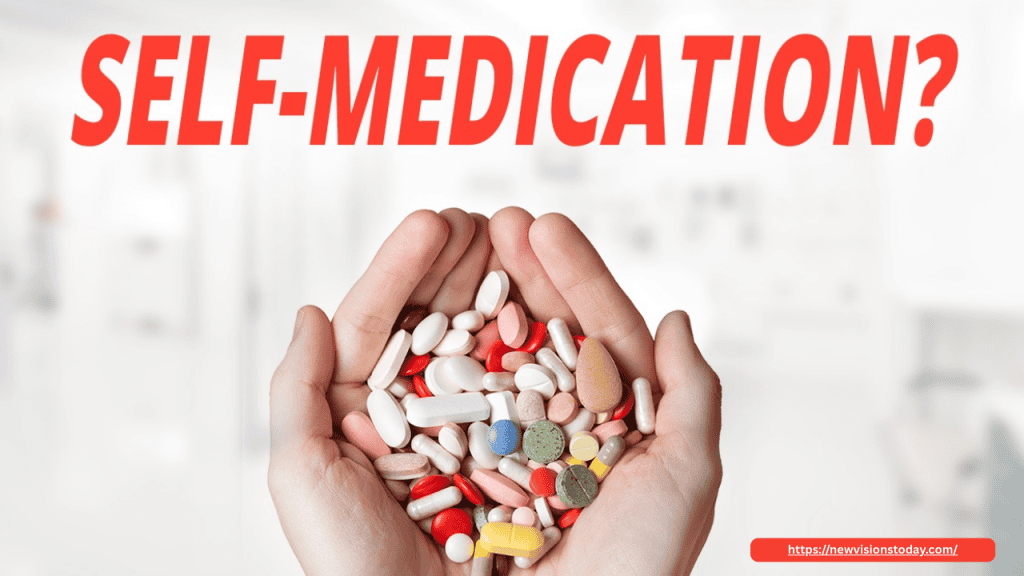
Anxiety is one of the most common mental health conditions, affecting millions of individuals worldwide. While occasional anxiety is a normal part of life, chronic anxiety can be debilitating, interfering with daily functioning and overall quality of life. In an effort to find relief, many people turn to substances like alcohol, prescription medications, or illicit drugs to manage their symptoms. This behavior, known as self-medication, can lead to a dangerous cycle that increases the risk of addiction and further mental health deterioration.
The Concept of Self-Medication
Self-medication occurs when individuals use substances without medical supervision to relieve physical or psychological distress. For those with anxiety, substances such as alcohol, benzodiazepines, marijuana, or stimulants may seem to offer temporary relief. Alcohol, for example, can initially create a calming effect, while stimulants may provide a sense of control or energy that counters feelings of helplessness or fatigue.
However, this short-term relief often comes at a high cost. Over time, the body builds a tolerance to these substances, requiring increased amounts to achieve the same effect. As tolerance increases, so does dependence, setting the stage for addiction. Moreover, substances can interfere with brain chemistry, worsening anxiety symptoms and making it even harder to manage without continued use.
How Anxiety Fuels Addiction
Anxiety disorders and addiction frequently go hand in hand. Chronic anxiety causes persistent fear, worry, and physical symptoms like rapid heartbeat, muscle tension, and insomnia. These symptoms can be overwhelming, prompting individuals to seek quick and accessible relief. Unfortunately, substances provide a false sense of control or escape that reinforces continued use.
As the cycle continues, the original anxiety disorder may worsen due to the effects of the substance on brain function. For instance, alcohol is a depressant that can exacerbate anxiety in the long run, while withdrawal from stimulants or sedatives can trigger intense anxiety symptoms. This cyclical relationship creates a powerful trap where anxiety and substance use feed into one another.
The Dangers of Self-Medication
Self-medication can delay proper diagnosis and treatment of anxiety disorders. Individuals may not seek professional help until their substance use has escalated into addiction, making treatment more complicated. Additionally, combining substances with prescribed medications can lead to dangerous interactions, health complications, or overdose.
The stigma surrounding mental health and addiction often prevents individuals from seeking help, increasing isolation and deepening their struggles. This underscores the importance of raising awareness about the risks of self-medication and the value of professional intervention.
Treatment and Recovery
Effective treatment for co-occurring anxiety and addiction involves a comprehensive, integrated approach. Mental health professionals often use Cognitive Behavioral Therapy (CBT), mindfulness practices, and medication management to help individuals understand and manage their anxiety without relying on substances. Support groups and peer counseling can also provide encouragement and reduce feelings of isolation.
Addressing the root causes of anxiety, developing healthy coping strategies, and building a strong support network are key components of recovery. With the right treatment, individuals can overcome both anxiety and addiction, reclaiming a healthier, more balanced life.
Conclusion
While self-medication may seem like a quick fix for anxiety, it often leads to a much more serious problem: addiction. Recognizing the risks and seeking professional help can break the cycle and pave the way toward lasting recovery and mental wellness.